Handmade Journeys Through Snowy Valleys

Today we journey into Craft-Centered Alpine Travel: Village Workshops and Maker Itineraries, connecting snow-dusted valleys with the hum of carving knives, looms, and bell forges. Expect slow trains, warm kitchens, respectful encounters, and skills you can actually try, celebrate, and bring home. Share your questions in the comments, subscribe for maker-friendly maps, and help shape our next route with practical ideas about accessibility, budgets, and favorite villages you have loved or hope to visit soon.

Reading the Mountain Rhythm

In the Alps, schedules breathe. Morning frost delays buses, avalanche control pauses roads, and artisans often step outside when the light turns perfect for carving or stitching. Respect mid-day closures that truly restore families and hands. Arrive with questions, not demands, and welcome detours that reveal a hidden dye garden, a neighbor who spins, or a choir rehearsal echoing down stone lanes. The rhythm you follow should prioritize human pace, seasonal work, and the silence that lets skills reveal themselves without hurry.

Weaving Trains, Buses, and Footpaths

Interlocking networks like SBB, ÖBB, and Trenitalia’s regional lines connect villages more elegantly than most realize. Pair rail cards with local bus passes, and download offline maps for final kilometers along farm lanes. Check winter timetables and last-return services before dusk, then allow twenty unclaimed minutes between connections to greet a dog, admire a cowbell strap, or grab bread. The most rewarding walking paths begin where platforms end, bringing you quietly to a wooden door that opens with a smile.

Stories from the Alpine Workbench

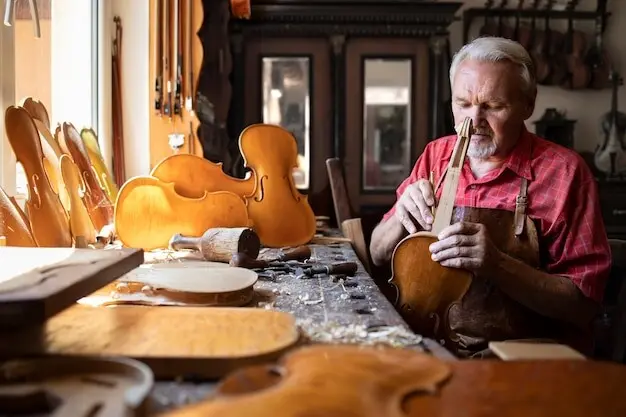
Real encounters anchor memory better than any postcard. A master’s pause before a finishing cut, the scent of beeswax, and bells testing their voices against stone walls linger long after summits. Seek stories, not checklists. Ask about a maker’s first teacher, watch for tool marks that trace family histories, and notice how rituals surround work: coffee before glue, sweeping before prayer, a window opened to hear the valley. Share your own beginnings too, because exchange turns transactions into kinship worth traveling for.

Materials, Money, and Mindfulness

Responsible journeys honor the ecosystems and economies that nourish craft. Ask where wood is sourced, how wool is graded, and which finishes keep artisans, families, and rivers safe. Pay fairly for expertise, not just objects, because hours of apprenticeship and maintenance lurk inside every smooth handle. Tipping for teaching time is welcomed when appropriate. Photograph with permission, credit generously online, and buy fewer, better pieces that last. When in doubt, choose relationships over bargains and principles over rushed souvenirs.

Hands-On Sessions Worth the Detour

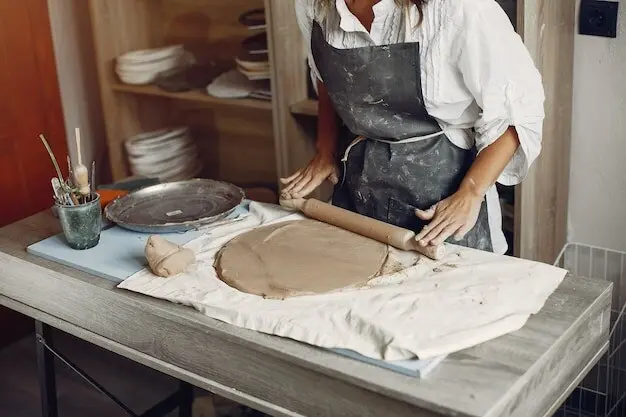
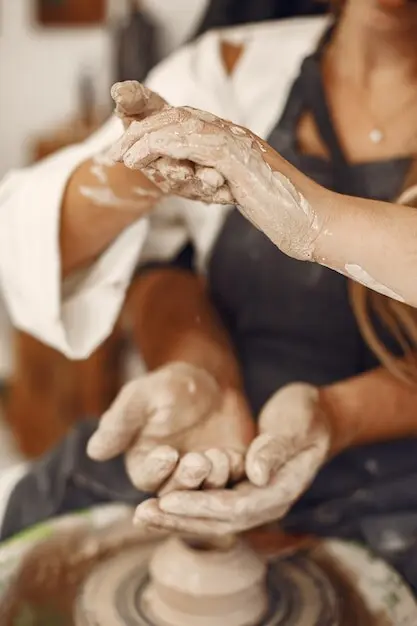
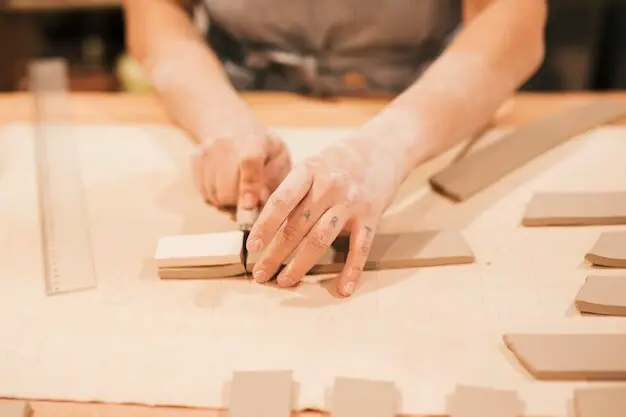
Some experiences teach beyond souvenirs. Choose workshops where your hands do real work and teachers are patient, insured, and generous with context. Look for safety briefings, clear durations, and materials that reflect regional history, like linden for carving or alpine herbs for dye. Whenever language differs, hire a local translator or invite a bilingual friend, turning interpretation into deeper understanding. Great sessions end with both a keepsake and a skill you can continue refining at your kitchen table.

Seasons, Fairs, and Mountain Rituals

Calendars in the Alps are stitched with bells, lanterns, and harvest braids. Plan around Almabtrieb and Désalpe, where decorated cows return from high meadows and villages erupt in music, butter, and lacework stalls. Winter brings Advent markets glowing with candles, while spring invites dyeing, mending, and seed exchanges. Summer weekends often showcase guild halls and open studios. By aligning travel with these rituals, you witness craft in its natural habitat, embedded in songs, kitchens, and squares that remember every footstep.

Autumn Descents and Ribboned Herds

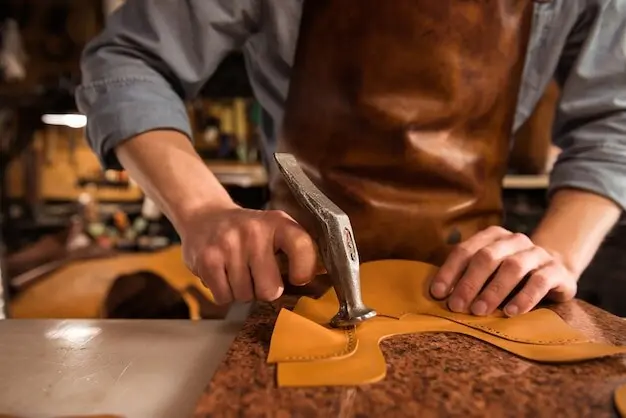
When cattle come home crowned with flowers, valleys swell with pride and long tables. Bell makers test resonances, leatherworkers display fresh straps, and cheesemakers slice celebratory portions as brass bands wander between stalls. Arrive early to watch the quiet prelude of polish and practice, then linger late for conversations that begin when crowds thin. Buy directly from makers, tip musicians, and carry cash for rural vendors. The day feels like a living catalog where every page breathes, smells, and sings.

Winter Lanterns and Market Stalls

Snow hushes streets so wood scents, gingerbread, and beeswax glow brighter. Advent markets gather carvers, felt artists, and candlemakers, each booth trimmed with patient details. Krampus parades remind visitors that masks hold power, not just decoration, demanding respect for timing and space. Warm your hands around mulled drinks, ask about finishes that survive cold climates, and choose pieces that travel well. Some makers accept custom orders for spring pickup, turning a winter conversation into a future reunion beneath gentler skies.

Packing Smart for Maker Days

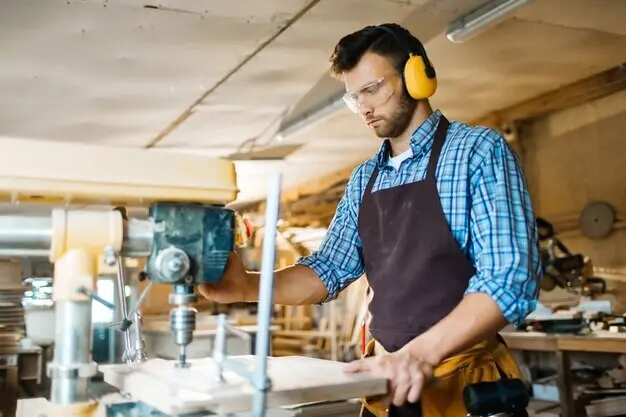
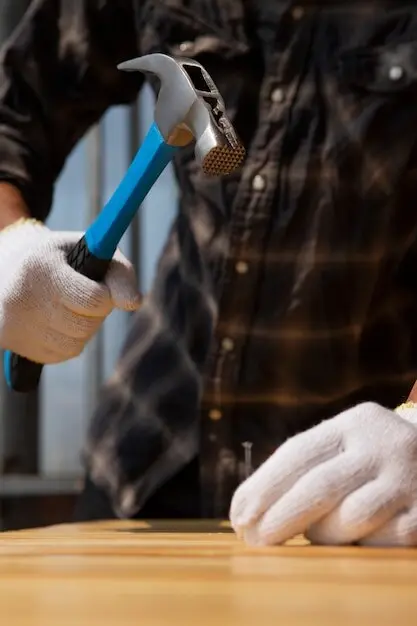
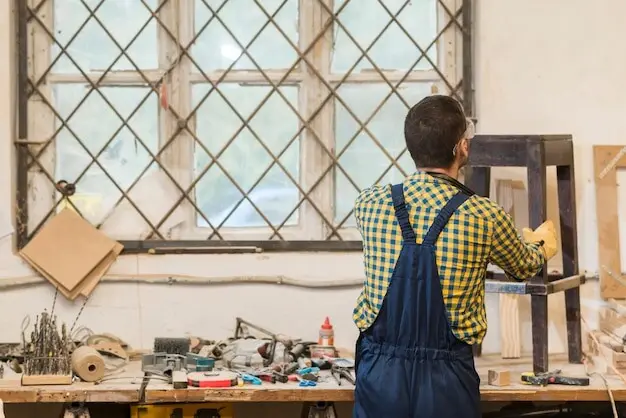
Preparation shows respect and saves a project from clumsy endings. Choose boots that slip off easily near clean benches, a notebook that lies flat, and a pencil that never explodes in cold. A compact apron, thin gloves, and eye protection fit in a daypack beside reusable wrapping cloths. Carry snacks that do not crumb into shavings. Learn key phrases for tools and gratitude, and bring small gifts from home. Leave space for surprises, including the priceless room needed for patience.

Stay Connected, Keep Crafting

Veltoxariloro
Privacy Overview

This website uses cookies so that we can provide you with the best user experience possible. Cookie information is stored in your browser and performs functions such as recognising you when you return to our website and helping our team to understand which sections of the website you find most interesting and useful.